Zoned Compression vs. All-Over Tightness: Which Shaping Method Actually Works?

Have you ever bought a piece of shapewear that was so tight it made you feel like an overstuffed sausage tied at both ends? Everything was compressed—your stomach, your ribs, your lungs, and somehow… your confidence too.
In the world of body sculpting, there’s a dangerous misconception that refuses to die: “The tighter it is, the better it works.”
Because of this myth, many people end up choosing shapewear that relies on all-over tightness—an outdated method where the fabric applies the same level of pressure across the entire garment. No strategy. No zones. Just brute force.
Modern body science, however, tells a very different story. If you’re genuinely looking for best shapewear results—ones that sculpt, support, and still let your organs do their job—you need to understand the difference between raw pressure and intelligent design.
This is where Zoned Compression enters the chat.
Let’s break it down, brutally and honestly.
1. All-Over Tightness: The “Brute Force” Method That Belongs in the Past
All-over tightness is the easiest (and cheapest) way for manufacturers to produce shapewear. They simply use stiff, highly elastic fabric and sew it into a basic pattern. Done. No body mapping. No consideration for anatomy.
The problem?
The human body is not a smooth cylinder.
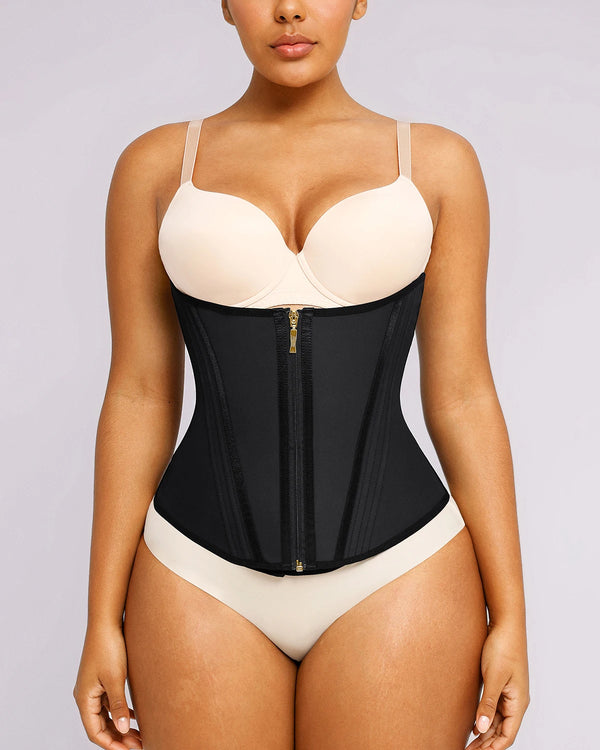
We have rib cages that need room to expand when we breathe. We have digestive organs that move and work. We have hips, curves, and soft tissue that don’t respond well to uniform pressure.
When shapewear applies the same tightness everywhere, several things usually happen:
- Fat gets pushed upward or outward into awkward areas like the underarms or upper thighs
- New bulges appear where none existed before
- Breathing feels shallow and restricted
- You feel exhausted after wearing it for just a couple of hours
This is why many products fail to qualify as best shapewear. They don’t actually shape the body—they just relocate the problem.
It’s compression without intelligence. Power without direction.
2. Zoned Compression: Smart Architecture for Real Bodies
Zoned Compression is the result of precise body mapping and thoughtful engineering. Think of it as an ergonomic chair, but for your entire torso.
Instead of using one uniform pressure level, this method applies different compression strengths to different areas of the body, all within a single garment. Advanced knitting and fabric technologies make this possible.
Here’s how it works:
- High-Compression Zones
Placed around the stomach and waist to create a strong slimming effect and core support.
- Low-Compression Zones
Designed for the bust and glutes to preserve natural volume. This creates a lifting effect, not a flattening one.
- Stability Zones
Located along the back to help improve posture and reduce slouching throughout the day.
This is the secret behind a truly high-quality bodysuit with tummy control. It knows exactly when to hold firm and when to ease off. The result is shaping that feels supportive—not suffocating.
3. Bodysuit with Tummy Control: The Ultimate Stress Test
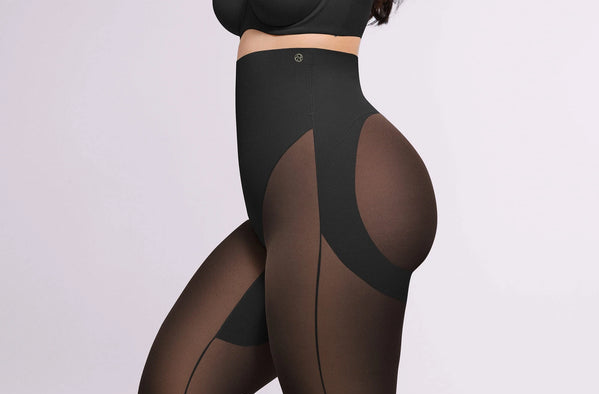
Choosing a bodysuit with tummy control is where compression technology really shows its true colors. Why? Because a bodysuit covers almost your entire torso. There’s nowhere for bad design to hide.
With all-over tightness, wearing a bodysuit becomes a countdown game. After one or two hours, your body starts sending SOS signals—fatigue, discomfort, shallow breathing, and the urge to rip it off in the nearest restroom.
Zoned Compression changes the experience completely.
Your midsection feels securely “locked in,” while your hips and chest remain comfortable and free. Instead of harsh pressure lines under your clothes, you get a smooth, hourglass silhouette that looks natural under dresses, blazers, or even casual outfits.
This is why premium bodysuits don’t just focus on tightness, but on placement. True tummy control isn’t about crushing the stomach—it’s about supporting it intelligently.
4. Workout Shapewear: Where Performance Beats Aesthetics
The difference between these two methods becomes even more obvious when we talk about workout shapewear.
During exercise, your muscles contract, expand, and move dynamically. Blood flow matters. Flexibility matters. Breathability matters.
All-over tightness in workout wear can actually be harmful. It may restrict circulation, increase muscle fatigue, and even trigger cramps or discomfort mid-session.
On the other hand, workout shapewear with zoned compression is designed for movement. It applies targeted pressure to major muscle groups to reduce vibration during high-impact activity, while staying flexible around joints like hips and knees.
This kind of compression can support muscle recovery and improve overall performance. It proves one thing very clearly:
Good compression isn’t about how hard it squeezes—it’s about how smartly it supports.
Conclusion: Choose Smart, Wear Comfortably
So, which method actually works?
If your goal is to feel tightly squeezed for an hour or two, all-over tightness might do the job. But if you’re searching for best shapewear that you can wear all day—shapewear that enhances your silhouette, supports your body, and respects your anatomy—Zoned Compression is the clear winner.
Whether you’re investing in a bodysuit with tummy control or performance-driven workout shapewear, choose technology over outdated thinking. Choose design over brute force.
Because the best shapewear isn’t the one that overpowers your body.
It’s the one that understands it—knowing exactly where to hold you steady and where to let you breathe, move, and stay yourself.